

When we start our research for season long leagues or daily fantasy tournaments or cash games, we immediately look at results. By results, we mean yards, touchdowns, and receptions, but we often gloss past how all of that is achieved; targets. Targets are what makes the world go round, well at least in the fantasy football world. But stopping at the there would be silly, so let’s expand on that idea.
Don’t over think this, ladies and gentlemen. Players that are targeted more are simply more valuable than those that aren’t, whether that be wide receivers, running backs or tight ends, the more the merrier. But why stop there? There are so many more factors to targets than simply getting the ball thrown to you. How many times are they being thrown to each game? Are they a possession receiver or is there always big-play potential each time the ball is snapped? How many targets have they gotten in the redzone compared to your some of that specific player’s teammates? All of these things need to be considered each and every week and this piece will help you with that each and every week.
We obviously don’t have any specific data just yet – we haven’t yet figured out how to look into the future, but we may be in the process of developing a tool for that here at Fantasy Alarm – but we have specific things we are going to track all season long such as target percentage, reception percentage, redzone targets, touchdowns and even drops. We’re going to have a spreadsheet with each category after all the numbers are tallied up and crunched after the completion of Week 1 so you have a physical image to go along with the one you’re currently dreaming up.
Each of the aforementioned categories are important in their own right. Target percentage affords us the luxury of knowing who the top dog is from each offense. Knowing that information helps us navigate our waiver wires if our player happens to be falling out of his QBs good graces, or to make a trade with someone unaware of that information because he/she is more focused on the name on the back of the jersey. Obviously the higher the percentage, the greater chances that player has in being the fantasy stud you hoped he would or the sleeper you took a chance on that others bashed you for.
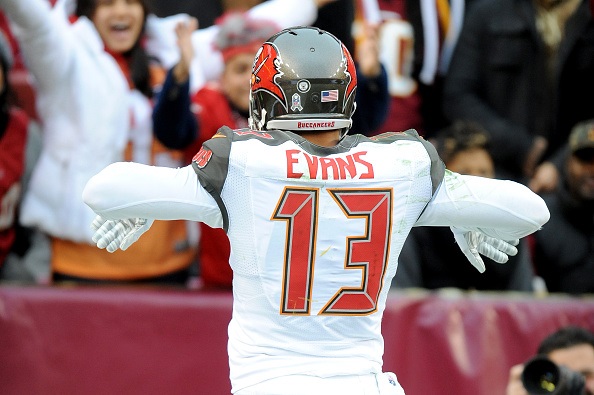
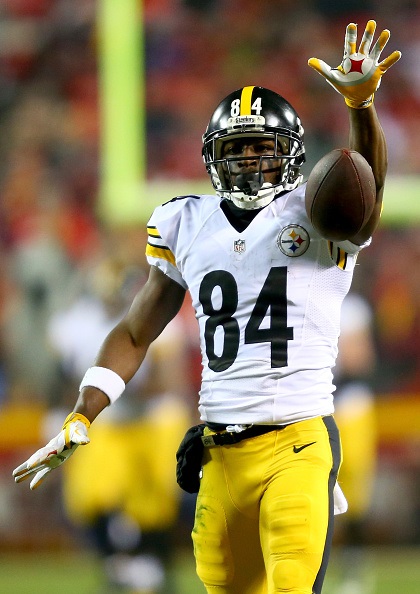 Drops are another category that will play a big role into our weekly analysis piece. Why you ask? Well maybe if Eric Ebron cut his six drops in half last season (most in the NFL for players over 60 receptions), Matt Stafford would have trusted him more and thrown the ball his way more frequently foe example. It doesn’t matter as much for the guys such as Antonio Brown, Mike Evans, etc., because they’re going to continue to see targets even if they drop the ball here and there, but all the players looking to make names for themselves need to stay as reliable as they can for there own sakes and ours as fantasy owners.
Redzone targets and redzone touchdowns are a great stat to help us weed out fantasy pretenders from those that can actually make a difference. Just because you score touchdowns doesn’t mean you deserve a roster spot on our fantasy squads. These types of players make me think of a really new, cool toy that only has one function. Let’s compare them to a fidget spinner. Stick with us on this one; it’ll all make sense. Fidget Spinner’s were a huge hit in 2017, but they have one function; spinning. Touchdowns aren’t the end all be all for a player, reverting us back to target percentage again. It gets us six points the fastest way possible, but if that’s all you’re giving your owner, how valuable are you? Donte Moncrief caught six touchdowns inside the 20-yard line in 2016 but received just 14.1-percent of the team’s targets in that area, which makes it very hard to trust the volatility of someone who is only being looked at a handful of times from one season to the next.
Target volatility is something we should consider from week-to-week as well. Piss poor weather could play a major factor whether a team throws the ball 40-times a game or pounds the rock and crushes their opponents in time of possession. Opponents also play a role. If the Browns are down 42-0 in the third quarter versus Pittsburgh, Antonio Brown’s workload will be shrunk to basically nothing, so always be aware of who your guys are playing and where.
Player News
{{item.text}}
{{analysis.analysis}}